Marketing Lessons from the World Cup
Bettina Dargie · 2026-07-20
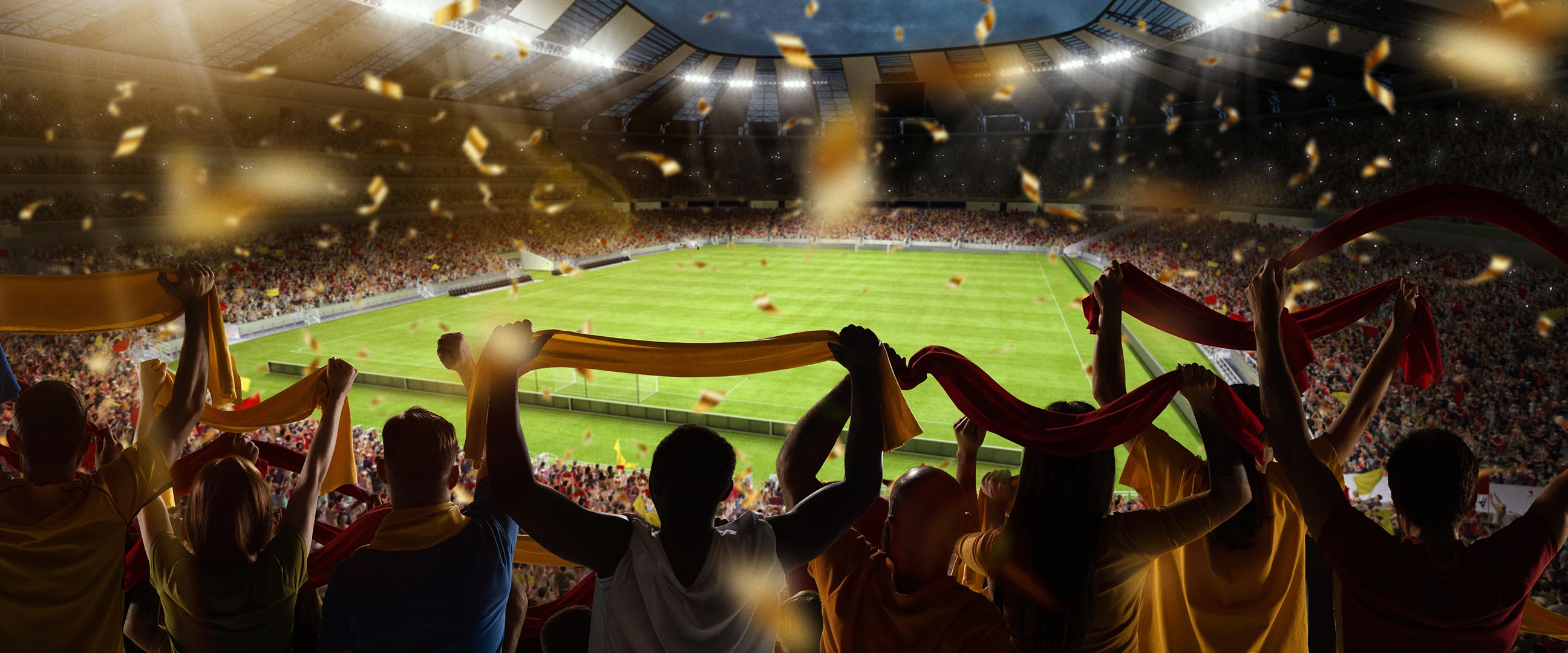
I was watching the World Cup, and my marketer's brain was having a field day with everything happening off the pitch. (Not the rotating ad boards ringing the pitch, mind you.)
I never used to follow the World Cup. But my friends wouldn't stop talking about it (word of mouth), my feeds went wall-to-wall (organic socials), and the ads found me everywhere I looked — so the irony isn't lost on me: even as a marketer, I got marketed into watching. That's just the pull of a tournament the size of the World Cup, with more member nations than even the United Nations (211 to 193) — and what feels like most of the planet watching.
That kind of reach is exactly why brands pay up to $200 million to stand inside it as official sponsors — and why the ones who can't, no matter how large or small, angle for a piece by piling into the memes and viral chatter to get in the conversation.
One thing was hard to miss, though: the brands outside of the stadiums were out-marketing the ones that were in it. Heading into the tournament, non-sponsors had already pulled in an estimated 61 million social engagements to the sponsors' 33 million, according to media-intelligence firm Meltwater — nearly double, and most of it on TikTok.
Three moves stuck with me, and not one necessarily needs a World Cup size budget.
Move 1: Turn the constraint into the campaign
FIFA controls every commercial inch of the World Cup through what it calls its "clean stadium" policy: no official sponsorship, no branding at the venues — even when your name is bolted to the stadium hosting the games. So for the tournament, SoFi Stadium became "Los Angeles Stadium" and MetLife became "New York New Jersey Stadium", scrubbed and renamed because neither is an official partner.
A few refused to disappear quietly. Levi's Stadium got draped in plain white tarps and rebranded "San Francisco Bay Area Stadium" — the company's name wiped off its own building on the biggest stage of the year. So Levi's turned the disappearing act into its next campaign: it swapped its Instagram logo for the covered-up version, welcomed the world to "the beautiful [redacted] stadium," draped its own stores in matching white, and dropped a "Nobody's Gonna Know" tee. The haul: roughly a billion press impressions, a 44% jump in brand mentions, its most-viewed post ever, and a raised full-year outlook.
Gillette, whose Boston stadium got the same treatment, covered its own logo with what looked like shaving foam, and interest in the brand climbed 20%. Heinz got pulled in from the concession stands. It's not a sponsor either, so its ketchup bottles were taped over at the venues — and Heinz Canada answered with the "Unofficial Stadium Ketchup": a limited-edition bottle with its own label blacked out, censored to-go packets handed out around Toronto, and its logo blacked out across social. Covered up or not, it still has to be Heinz.
Funny how that works — the thing meant to erase these brands became some of the best marketing they did all year. That's constraints for you. Every brand runs into them: a rule you can't move, a budget that got cut, a review that stings, a shipment that never shows. The winners find the angle and turn it into something people actually stop scrolling for.
Move 2: Borrow the moment, but make it yours
A similar instinct kicks in around any big cultural moment — New Year's, Valentine's Day, Black Friday. The audience is already gathered, so brands reach for it. Most just bolt something on: a themed logo, a "Happy [whatever]" post, a ball emoji. It tends to ring hollow, because the brand never connected it to anything it actually stands for — it only wanted to be in a conversation everyone else was already having.
Nike did the opposite. It's not even an official sponsor — Adidas is, and Nike legally can't put its logo near the pitch. So it never tried. Its film "Rip the Script" never once said "FIFA" or "World Cup." It just did the most Nike thing imaginable: put the athletes it backs at the centre of a story about football itself. The result — more than 400 million views, with hero posts pulling 58.7 million against Adidas' 7 million, and 52.4% of all World Cup endorsement conversation. A third of people surveyed came away thinking Nike was the official sponsor anyway.
Nike immersed itself in the World Cup without being its official sponsor, and walked away with more of the conversation than the brand that was — because it went in on its own terms, with a real plan behind it. That's the test for any moment that feels far from your brand: find the genuine thread between it and what you stand for, build a proper plan around that, and lean in for real. If you're only reaching for it because everyone else is, that shows too.
Move 3: Authenticity is what people actually follow
Erling Haaland walked into the tournament as the least commercial of the big names — roughly $20 million in endorsements next to Lionel Messi's $70 million and Cristiano Ronaldo's $65 million. Some of that gap is simply time on the stage: this was Haaland's first World Cup, while Messi and Ronaldo were playing their sixth — more than any man before them, two decades of the sport's most-watched event behind the endorsement empires they've built on it. Haaland got one shot and out-grew them both, adding nearly 29 million Instagram followers to Ronaldo's 11 million over the tournament.
He didn't have the bigger machine. He had personality — unfiltered, a little goofy, relentlessly himself — and it turned out to be the most valuable asset on the pitch. The brands came running, and a reported $100 million business empire came with them, all before his 26th birthday.
Here's the part worth stealing: Haaland is, effectively, a brand — and what makes him magnetic is simple. He's completely himself, and people can tell. That authenticity is what pulls a following, keeps them engaging, and brings the sponsors calling. It played out below the superstar tier, too: Cape Verde's 40-year-old goalkeeper Vozinha went from 500,000 followers to nearly 29 million on one heroic game and a real underdog story, and New Zealand's Tim Payne jumped from under 5,000 to 5.8 million after a single shout-out.
You can take a page from that. A brand that's genuinely, recognisably itself — a real point of view, a real personality, none of the corporate gloss — is the one people choose to follow. Be that, and the audience comes; the deals and the customers follow the audience. It's exactly what Haaland did — he just happened to do it in shin pads.
The thread
Three plays, and one thing ties them together: intention. Whether you're turning a constraint into a campaign, immersing yourself in a moment you don't own, or winning the internet by being nobody but yourself, it all comes down to intention.