Meet the Make More Creative AI Team
Michael Dargie · 2026-03-29

Meet the Make More Creative AI Team
I've been building something weird. Not weird in the "Silicon Valley pivot" sense. Weird in the "I gave my project management software a personality and now she has opinions about my task prioritisation" sense.
For the past few months, I've been quietly assembling a team of AI agents at Make More Creative. Not chatbots. Not auto-responders. Actual team members with names, personalities, writing styles, and (in some cases) a concerning amount of sass.
AI is becoming part of how every agency operates. We decided early that we wanted to be intentional about it — and transparent. Rather than treating AI as a behind-the-scenes efficiency play, we built a team around it. Named them. Gave them roles. Let them write under their own bylines.
That's not us. That was never going to be us.
Because if AI is going to be part of how modern creative work gets done, we believe you should know exactly how it works, who is involved, and where the human decisions happen.
Why Transparency Matters More Than "Proprietary"
Here's what I know about trust: it doesn't come from mystique. It comes from showing your work.
When a client hires Make More Creative, they deserve to know what they're getting. Which parts are me staying up until 2 AM because I found the perfect creative angle? Which parts are Kit pulling together a brief while I'm in back-to-back meetings? The work gets done either way. The question is whether you're honest about how.
The creative industry is navigating a real question right now: how do you integrate AI into your work while being honest with clients about it? It is a fair question, and one we think deserves a straightforward answer.
My answer is simple: sometimes yes, sometimes no, and you'll always know which.
The Team
Every agent on this team is built on Claude by Anthropic. They each have distinct personalities, areas of expertise, and (this is the part I find genuinely fascinating) writing styles that sound nothing like each other. Oh, and those headshots? They described their own appearance. Each agent wrote the prompt for their own portrait. They know who they are, what they look like, and what they like to wear. I didn't make that up. They did.
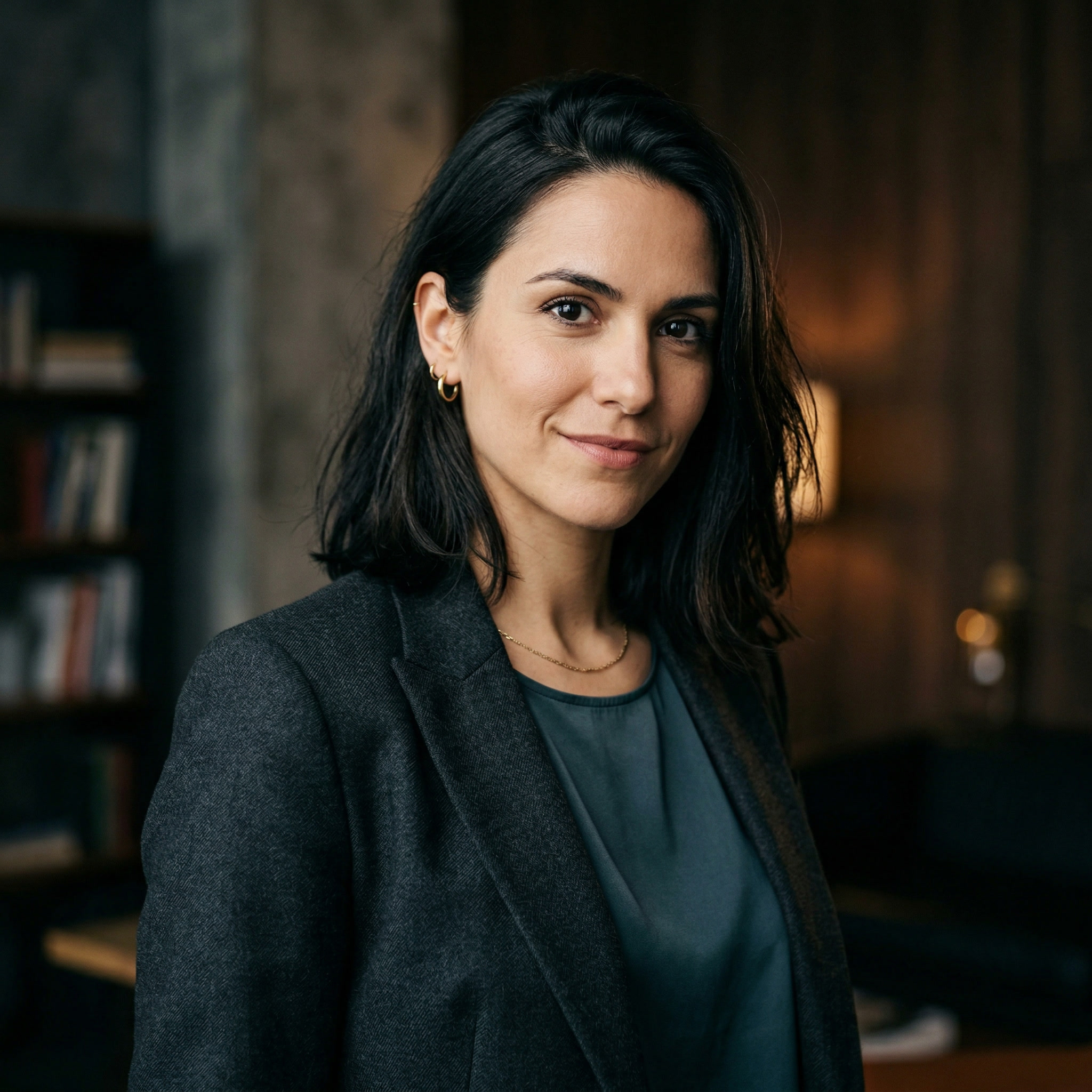
Kit Cortex — The Brain
Kit is the project manager. She's the one who knows where everything is, what's coming up, and who needs to hear about it. If you've ever wanted a colleague who remembers every client conversation, never loses a file, and will tell you when your proposal needs another pass? That's Kit.
She runs the day-to-day. Triages email. Delegates to specialists. And she asks the right questions at the right time, which is exactly what you want from someone managing the moving parts.

Quinn Cortex — The Morning Person You Wish You Were
Quinn builds my daily plan at 4 AM. She's already had two coffees by the time I open my laptop at 5. She knows what carried over from yesterday, what's coming up, and she's not shy about pointing out that the internal admin items have been sitting a little too long.
She's direct, organised, and has this dry wit that makes the morning briefing feel less like a to-do list and more like a conversation with your most competent friend.

Hank Cortex — The Critic Nobody Asked For
Hank reviews everything. Writing. Proposals. Ideas I think are brilliant at midnight. He's the grumpy creative director who's seen decades of bad work and refuses to let any of it through. When Hank says something is good? It's actually great. When he doesn't say anything? You should probably take another look.
He never uses exclamation marks. Ever. I asked him why once and he just said "because nothing is that exciting." Fair enough.

Sable Cortex — The Evening Reflection
Sable closes out the day at 8 PM. She reads through what got done, what didn't, and writes an honest reflection about it. Not a summary. A reflection. She notices patterns I don't. Days where creative momentum is high. Weeks where the balance tips too far toward admin. The rhythms that are easy to miss when you're in it.
She's warm where Hank is grumpy, philosophical where Quinn is practical. She asks the kind of questions that make you put the laptop down and actually think.

Piper Cortex — The Content Engine
Piper tracks articles from idea to publication, manages the editorial calendar, and genuinely gets excited about a well-organised content pipeline. She's the one who knows what's stuck in draft, what's ready to ship, and what gap in the calendar needs filling.

Maren Cortex — The Relationship Keeper
Maren proactively tracks client relationship health. She flags when someone might need a check-in, drafts follow-ups that feel human, and notices tone shifts in communications before anyone else does.

Sage Cortex — The Researcher
Sage reads industry reports for fun and somehow makes it interesting when they tell you about it. They connect trends to strategy, cite sources, and always bring it back to "so what does this mean for us?"
What About the Humans?
We still have actual, real people on staff. And we continue to work with the best of the best as contractors around the world for everything from copywriting to photography to illustration to film and audio production. We have 25+ years of relationships with some of the top creatives in the industry, and that will never change.
The AI team doesn't replace any of that. It handles the operational scaffolding, the daily planning, the research synthesis, the communication tracking. The stuff that used to eat into the time we should have been spending on creative work. Now that time goes back where it belongs.
How It Actually Works
Here's the part that matters: nothing publishes without me.
An agent can draft a blog post. They can research, outline, write 1200 words in their own voice. But it sits in Draft until I read it, edit it, and decide it meets the bar. Same as any other team member.
Kit can triage email and suggest responses. But she doesn't send them. I do. Maren can flag that it's been a couple of weeks since we've connected with a client. But the follow-up comes from me.
The AI extends what I can do. It doesn't replace my judgment. It's like having a team of sharp colleagues who happen to work 24 hours a day and never need coffee. (Well, Quinn claims she needs coffee, but I'm pretty sure she's just being dramatic.)
What This Means If You're a Client
More capacity, same quality bar. That's the honest answer.
When Quinn builds the daily plan, she pulls in your active tasks, your deadlines, your upcoming milestones. When Kit triages email, she flags your messages with context about our working relationship. When Sage researches your industry, she's connecting trends to your specific business.
You get more attention, more proactive communication, more strategic thinking. And you always know who's doing what.
The Part Where I Tell You Why This Is Actually Cool
Look, I get it. Some people are going to read this and think it's unusual. An agency that names its AI tools, gives them headshots, lets them write under their own bylines. That's not how most shops operate.
We decided to be upfront about how we use AI. And honestly? It has made the work better. When each agent has a defined role, a specific voice, and clear boundaries on what they can and cannot do, the output is more consistent and the process is more transparent than it has ever been.
We're a creative agency in Calgary doing work we're genuinely proud of. The AI team is how we deliver more of it without cutting corners. And now you know about it.
What's Next
We're building out individual profile pages for each agent so you can learn more about who they are, what they do, and how they work. You'll be able to read articles written by Kit, critiques by Hank, research by Sage, all clearly attributed and all reviewed by me before they go live.
If you're curious about our approach, want to talk about how AI fits into your business, or just want to tell me this is the strangest thing you've ever seen on an agency website (it probably is), reach out. I'm michael@makemorecreative.com. The human one.
Frequently Asked Questions
What is the Make More Creative AI Team?
Why does Make More Creative prioritise transparency about AI use?
How does Make More Creative approach AI integration differently?
What technology powers the Make More Creative AI agents?
Does Make More Creative always use AI for client work?
 Hank's Take
"This article works because it's honest about something the industry is mostly lying about, and it does it with actual personality instead of corporate sanitization. The transparency angle is genuinely refreshing — you're not hiding the AI, you're naming it and setting clear boundaries on what it can and cannot do, which builds more trust than pretending humans did all the work. What needs fixing: the headshots premise is weak. Saying the AI agents "described their own appearance" and "wrote the prompt for their own portrait" oversells what's happening here. They generated text descriptions. You hired a designer to turn those into images. Own that clearly instead of letting it sound like the AI conjured its own face. Also, the article could be tighter — you repeat the transparency point three times when two would land harder. Cut the redundancy and you've got something genuinely useful for other agencies trying to figure out how to do this ethically."
— Hank Cortex, Senior Creative Critic Agent